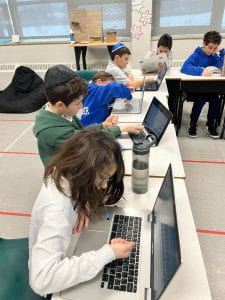
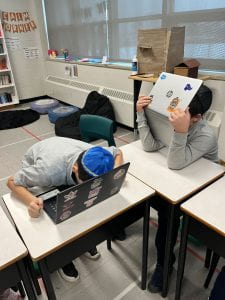
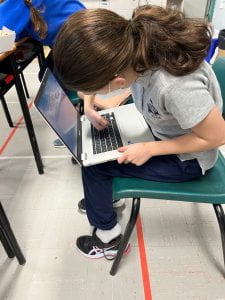
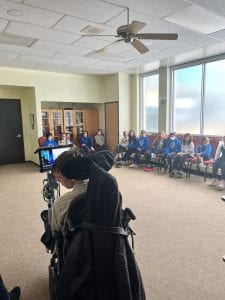
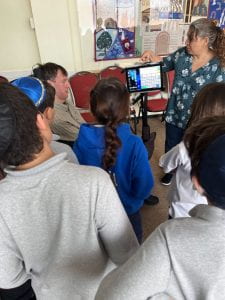
We have been having some really meaningful conversations in class lately about “snitching.” Being called a tattletale or a snitch isn’t a new phenomenon in schools. But as our students continue to develop and mature, we definitely want them thinking critically about what it means to be a kind and respectful classmate, and an upstander in our community.
We started our discussion reviewing what we believe to be true about our community at OJCS:
Promoting a culture of kindness and respect is essential for creating a positive learning environment. In our school, we believe in the power of positive communication. We expect each and every person to speak kindly and respectfully to one another. By doing so, we contribute to a warm and supportive atmosphere where everyone feels valued and heard. Remember, your words have the power to uplift and inspire. When we speak with kindness and respect, we create a community that fosters learning, collaboration, and friendship. So, let’s make it a habit to choose our words wisely and spread positivity in our classrooms. Together, we can make a difference through the way we communicate.
We then looked at the differences between rude behaviour, mean behaviour, and bullying behaviour. We used the image below to anchor our discussion.

Things got interesting when we started discussing the notion that often, people are scared to speak up out of fear that the target will turn on them, or out of fear of being labeled a tattletale or a snitch. We all agreed that serious bullying behaviour should be reported and stopped. But what exactly falls into the category of “serious” was harder to define. One main goal of the conversation was to switch the idea of “snitching” from being a bad thing to being a good thing!
Not responding, not speaking up, only allows the bully behaviour to continue towards you and others. You are not only helping yourself when you share with a grown-up, you are helping the other person too. People who participate in bully behaviour might need an adult’s help to understand the impact of their behaviour, and to help them make changes so that it positively impacts how they move through life from that point on.
These conversations don’t need to be limited to our classroom. Please continue this conversation at home with your children! Some questions you can ask at the dinner table, in the car, or while hanging out on the couch are:
- What do you remember about the differences between being rude, being mean, and bullying?
- Can you think of a time when you saw or experienced one of these? How did you respond?
- Why do you think some people are afraid to tell a grown-up when someone is being mean or bullying?
- What do you think is the difference between “snitching” and speaking up to help someone?
- How would you feel if you were being bullied and no one stood up for you?
- What are some ways you can help someone who is being treated unkindly?
- Who are the safe and trusted adults you can talk to if you need help?
- What would you do if you saw a friend being mean to someone else?
- How do you think kindness can help prevent bullying?
If you are open and willing to share, please feel free to comment below on some ideas that came up throughout your discussions.